Stop Guessing and Start Fixing BOQ Margins
Construction bids are a battlefield. You’re trying to win work without giving away your profits. But most contractors lose money long before the first brick is laid. Why? They don’t monitor their margins during execution.
In my experience, one of the biggest killers of profit margins is poor tracking of BOQ (Bill of Quantities) items. You think you’ve priced everything correctly, but procurement overruns, scope changes, or bad estimates creep in, eroding your profits silently. And if you’re not catching these errors early, you’re just guessing. Guessing doesn’t pay the bills.
BOQ Margin Reports: Your First Line of Defense
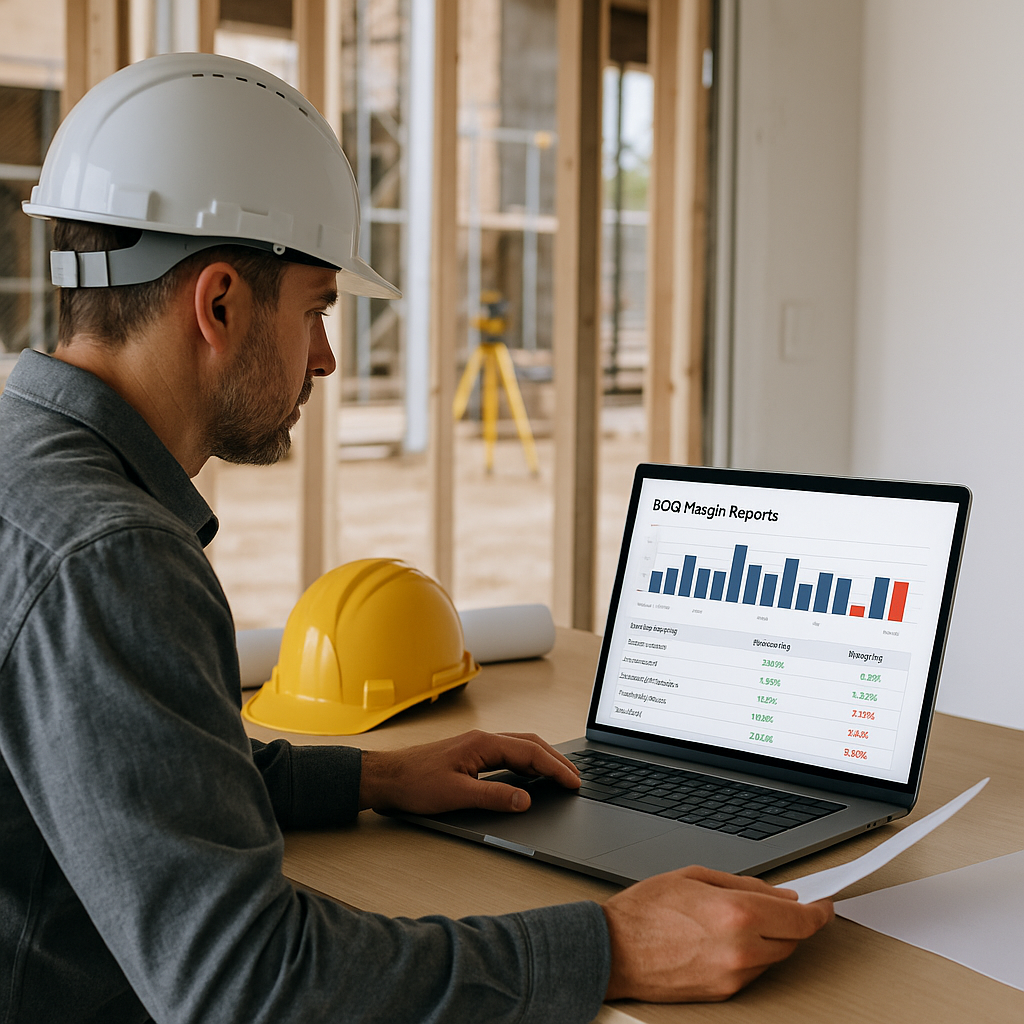
The BOQ Margin Report is a simple but powerful tool that analyzes profit margins by comparing contracted values against actual costs for materials, labor, plant, subcontractors, and overheads. It’s the flashlight you need to uncover hidden losses and protect your bottom line. Let’s break it down further.
Why BOQ Margin Reports Matter
-
Weekly Review Saves Thousands: Negative-margin BOQ items often reveal estimation errors or procurement problems. If you don’t catch them early, they snowball into massive losses. Reviewing this report weekly lets you fix issues before they eat into your overall profitability.
-
Actionable Insights: Items showing negative margins? Investigate immediately. It could be an estimation error, a scope change, or a supplier overcharging you. Every dollar saved here is a dollar added to your bottom line.
Concrete Example: Fixing Procurement Overruns
Imagine you’ve bid on a project with a tight budget. During execution, you notice one BOQ item—say, "cement procurement"—has a negative margin. The BOQ Margin Report reveals that your contracted rate for cement was ₹4,500 per ton, but your supplier recently billed you ₹5,100 per ton. That’s a ₹600 per ton loss. Multiply that by the hundreds of tons you need, and you’re bleeding cash.
Without the report, you’d only realize this when the project is over—or worse, when your accountant flags it months down the line. By catching it early, you can:
- Renegotiate with your supplier for better pricing.
- Find alternative suppliers or materials.
- Adjust the project schedule or scope to minimize the impact.
Actionable Steps to Use BOQ Margin Reports Effectively
- Set Up a Weekly Review Routine: Dedicate 30 minutes every week to reviewing the BOQ Margin Report.
- Investigate Negative Margins Immediately: Don’t wait. Dive into the details of items showing losses.
- Involve Your Team: Share margin reports with your procurement and project managers. Collaboration often uncovers solutions faster.
- Use Software for Automation: Tools like JobNext simplify margin tracking and eliminate manual reconciliation errors.
Why Contractors Fail at Cost Tracking
Most contractors I’ve worked with rely on disconnected systems—Excel sheets for estimates, WhatsApp messages for procurement updates, and manual reconciliation for invoices. This chaos leads to missed margins because there’s no unified view of costs against BOQ items. It’s like flying blind.
Case Study: Disconnected Systems Lead to ₹20 Lakh Loss
A contractor I consulted for had estimated a ₹10 crore project using Excel sheets. During execution, procurement overruns and scope changes weren’t flagged until after the project closed. The result? A ₹20 lakh margin loss. Why?
- No Unified System: Estimation data was on Excel, procurement updates were scattered across email and WhatsApp, and invoices were reconciled manually.
- Delayed Insights: Margin erosion wasn’t visible until quarterly accounting reports came in.
Actionable Steps to Fix Disconnected Systems
- Adopt Centralized Tools: Platforms like JobNext centralize BOQ data, procurement updates, and cost tracking into one dashboard.
- Automate Invoice Reconciliation: Use software to match invoices against BOQ items automatically.
- Train Your Team: Ensure everyone understands how to use the centralized system effectively.
The Brutal Math of Margin Erosion
Here’s the reality: even a 1% margin erosion on a ₹10 crore project means ₹10 lakh lost. That’s money you could’ve reinvested in equipment, hired better talent, or simply kept as profit. Yet contractors let these losses slide because they don’t have the tools—or the discipline—to track margins consistently.
Example: The Impact of Small Mistakes
Let’s say your initial estimate included ₹50,000 for scaffolding rental. During execution, the supplier increases the rate to ₹55,000 due to market changes. That ₹5,000 might seem negligible, but similar overruns across multiple BOQ items add up quickly. Without a BOQ Margin Report, these small mistakes snowball into significant losses.
Comparison Table: Traditional Cost Tracking vs BOQ Margin Reports
| Feature | Traditional Tracking | BOQ Margin Reports |
|---|---|---|
| Visibility | Limited, scattered across systems | Unified, real-time insights |
| Error Detection | Reactive, post-project reconciliation | Proactive, during execution |
| Time Investment | High, manual reconciliation required | Low, automated reporting |
| Profit Protection | Minimal | Significant |
Tying It All Together
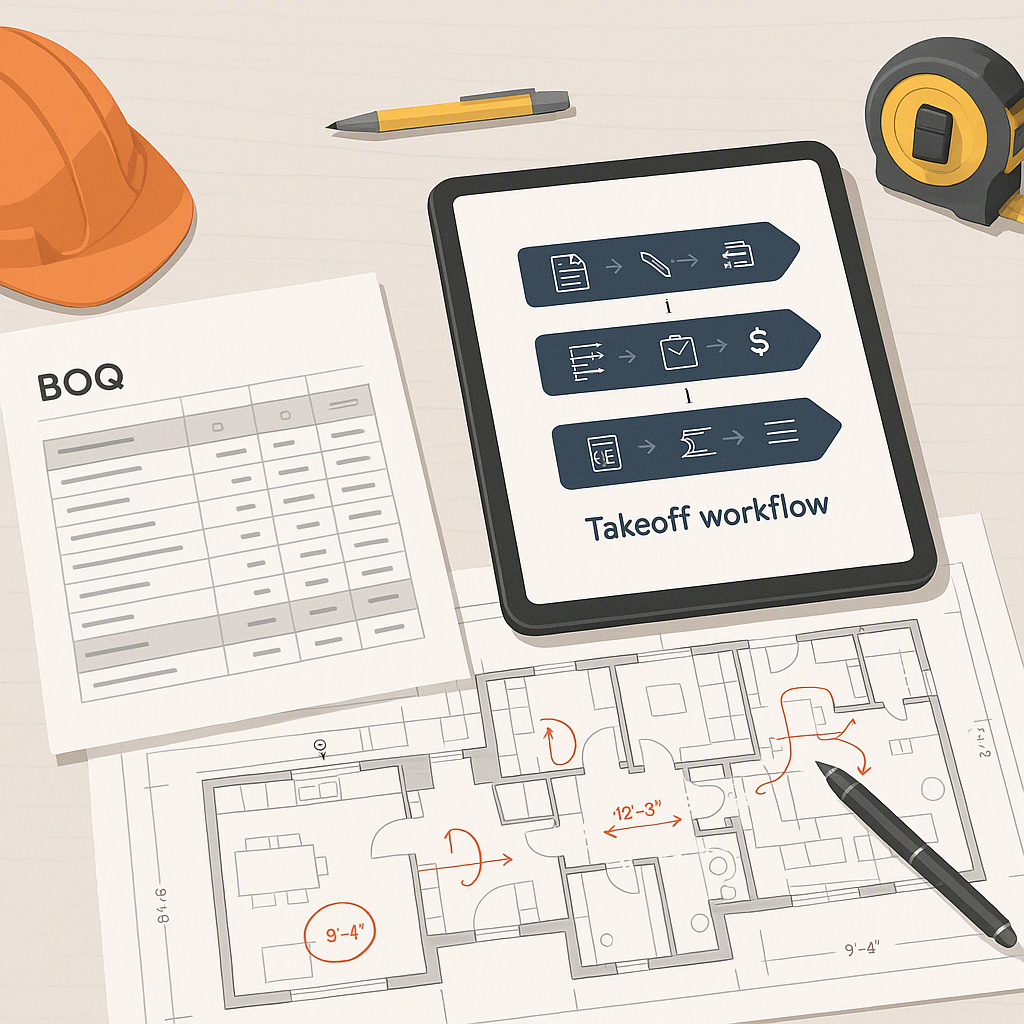
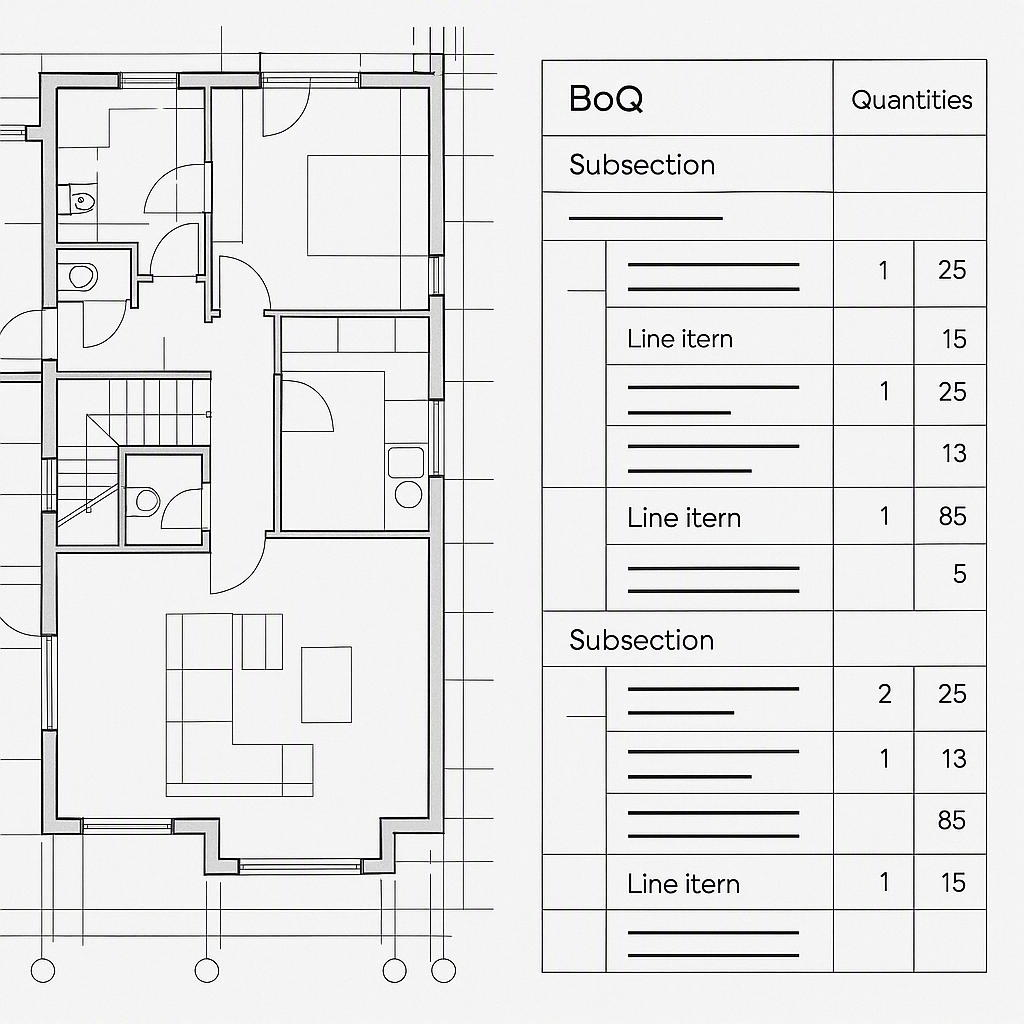
In the bidding stage, precision matters. Tools like EstimateNext can help contractors build more accurate quotes by breaking down costs into Materials, Labor, Plant, Subcontractor, and Overhead categories. Combined with the BOQ Margin Report during execution, you’re not just guessing your way to profitability—you’re managing it actively.
FAQ
Q: How often should I review BOQ Margin Reports?
A: At least weekly. Margins erode faster than you think, especially on large projects. Frequent reviews let you course-correct before it’s too late.
Q: Can BOQ Margin Reports prevent all margin loss?
A: No, but they help catch the biggest issues—estimation errors, procurement overruns, and scope changes—before they spiral out of control.
Q: What’s the difference between markup and margin in construction?
A: Markup is the percentage added to your costs to determine the selling price. Margin is the percentage of profit after all costs are deducted. Mismanaging either can hurt your bottom line.
Q: How does JobNext simplify margin tracking?
A: JobNext centralizes BOQ data, vendor invoices, and cost tracking into a single dashboard. The BOQ Margin Report is built into the platform, so you get real-time insights without manual reconciliation.
Q: Is AI really better for estimating costs?
A: Yes. AI tools like EstimateNext reduce estimation errors by up to 80% by automating resource breakdowns, rate matching, and labor calculations.
Call to Action
If margin erosion is killing your profits, JobNext’s BOQ Margin Report can help. Get started free →
: Help: Monitoring Project Reports: Help: Monitoring Projects Analytics: 80% Fewer Construction Estimation Errors: The AI Advantage
Learn more at EstimateNext