The Hidden Cost of Manual Procurement
Construction isn’t just about building. It’s about managing. And one of the messiest, most error-prone areas? Procurement. We’ve seen contractors lose 3-5% of project budgets (sometimes more) because their material procurement processes are chaotic. Unclear requirements, missed RFQs, duplicate POs — it all adds up.
Here’s the cold truth: manual procurement systems are killing your margins. If you're still relying on spreadsheets, email threads, or — worse — verbal approvals, you're leaving money on the table. A lot of it.
The Real Numbers Behind Procurement Inefficiency
According to a 2022 McKinsey report, procurement inefficiencies cost the construction industry billions annually. For mid-size contractors, procurement errors can account for 2-4% of project costs. On a ₹50 crore ($6M) project, that’s ₹1-2 crore ($120,000-$240,000) lost — straight out of your bottom line.
Why? Because manual processes mean:
- Material overordering: No visibility into what's already ordered.
- Missed deadlines: Late RFQs lead to expedited shipping costs (or worse, project delays).
- Approval bottlenecks: A single missing signature can stall the entire chain.
How Structured Procurement Saves Money
This is where technology steps in. A structured procurement workflow — like the one JobNext offers — moves you from chaos to clarity. Here’s how it works:
-
Material Requests (MRs): Site teams raise MRs online, specifying quantities and delivery timelines. No more WhatsApp messages or scribbled notes.
-
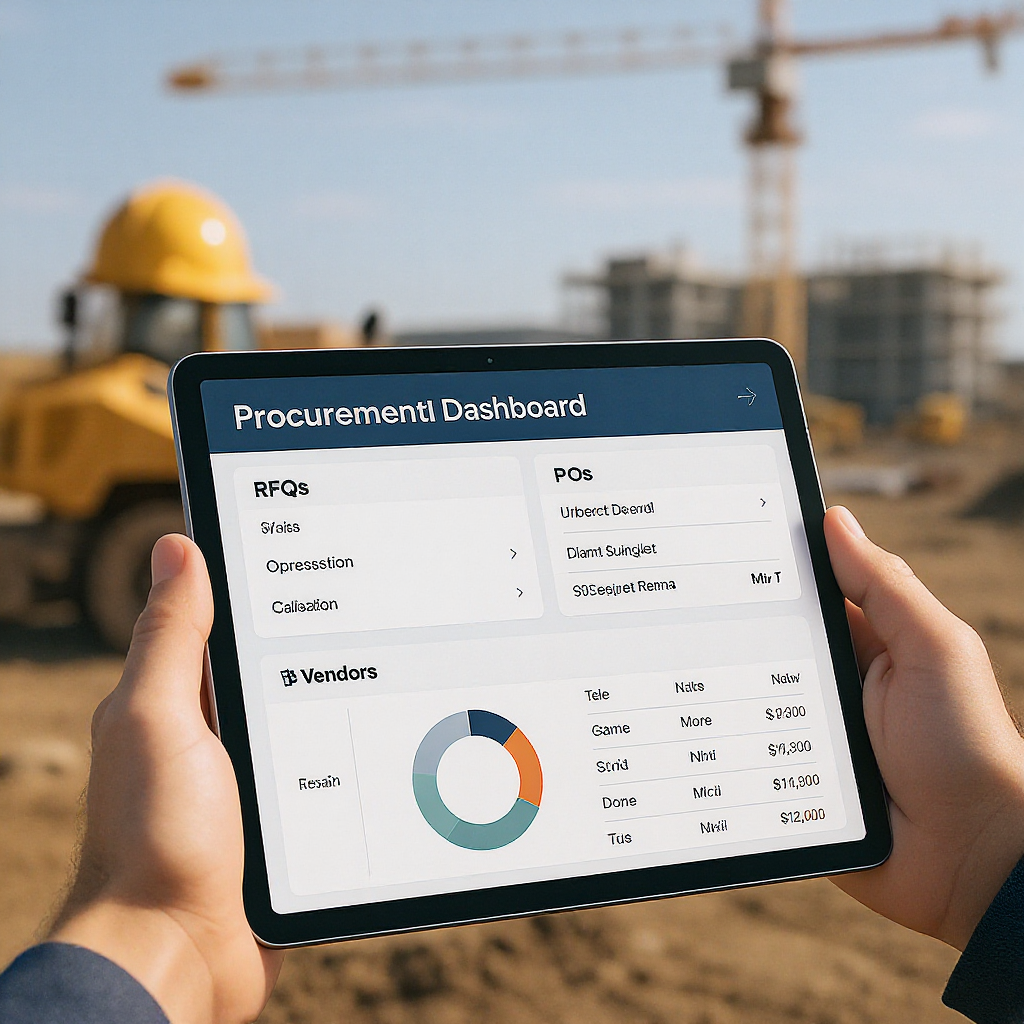
RFQs and Vendor Offers: The system automatically generates RFQs and tracks vendor responses. You can compare offers side-by-side, ensuring you get the best price without wasting time.
-
PO Generation: Once approved, the platform generates Purchase Orders with built-in compliance checks (GST, TDS, etc.). No more duplicate POs or missing tax details.
-
Approvals: Multi-level approval workflows ensure nothing moves forward without sign-off. And because it’s all digital, there’s no waiting for someone to physically sign a document.
Real-World Results
Take a mid-size MEP contractor we worked with in Abu Dhabi. Before implementing structured procurement, they struggled with material wastage and delayed deliveries. After switching to JobNext, they:
- Cut procurement cycle times by 40%.
- Reduced material wastage by ₹30 lakhs ($36,000) annually.
- Negotiated better vendor rates, saving an additional ₹20 lakhs ($24,000) per year.
Beyond Cost Savings: Better Visibility
Structured workflows don’t just save money — they give you visibility. With real-time dashboards, you know:
- What’s been ordered.
- What’s been delivered.
- What’s still pending.
This kind of insight is invaluable when managing multiple projects across sites. It’s the difference between running your business reactively and proactively.
But What About Implementation?
You might be thinking, "Sounds great, but isn’t implementing this kind of system a nightmare?" It doesn’t have to be. In fact, we’ve covered this exact concern in our post "ERP Implementation for Contractors: The Phased Approach That Actually Works". The key is starting small — begin with procurement, then expand to other modules like billing or HR.
Final Thoughts
Procurement might not seem glamorous, but it’s where money is made (or lost). If you’re serious about cutting costs, it’s time to ditch the chaos and embrace structured workflows. It’s not just about saving a few lakhs — it’s about running a tighter, more profitable operation.
For more insights on how technology is transforming construction, check out "The Hidden Cost of Tool Fragmentation: Why Contractors Need Unified Platforms". Spoiler: disconnected systems are costing you more than you think.
Ready to see JobNext in action?
Multi-tenant SaaS ERP for construction, facilities management, and contracting — covering preconstruction, project execution, procurement, HR & payroll, equipment, finance, and 150+ analytics reports.
Get Started Free →Learn more at EstimateNext