Why Material Costs Are Bleeding Contractors Dry
Material costs account for 30-50% of total project expenses for most contractors. If you're running multiple projects, that's a massive chunk of your budget. Any inefficiency—overordering, theft, price fluctuations, or delays in procurement—eats directly into your margins.
Over the last five years, material prices have been anything but stable. For example, steel prices in India surged by 45% between 2020 and 2022 (Construction World). Add supply chain disruptions, and you’ve got a recipe for chaos. Small to mid-size contractors feel this pinch the most because they lack the negotiation power of mega firms.
So, how do you take control? The answer isn’t another spreadsheet. It’s an ERP system purpose-built for contractors. Let’s break it down.
The Problem: Manual Procurement Chaos
Here’s a scenario you’ve probably seen: a site manager urgently requests cement. The procurement team places an order without checking inventory. Two weeks later, you’ve got unused stock piling up on-site because another team placed a similar order. This isn’t just wasteful; it’s expensive.
Manual procurement processes are the biggest culprit. With no centralized system, teams operate in silos. Material Requests (MRs) might go through WhatsApp, emails, or even verbal approval. Keeping track of vendor quotes, purchase orders (POs), and delivery schedules is a nightmare. And if the project manager approves an urgent purchase at inflated rates, it’s game over for your margins.
The Fix: Structured MR → RFQ → PO Workflows in ERP
This is where a robust ERP software like JobNext comes in. Let’s focus on one specific feature: the structured procurement workflow. Here’s how it works:
-
Material Request (MR): Site teams raise MRs directly in the system. The ERP ensures all requests are logged in a centralized dashboard.
-
Inventory Check: Before the MR is approved, the system automatically checks existing stock. If the material is already available, the request is flagged for review.
-
Request for Quotation (RFQ): Once approved, the system sends RFQs to pre-approved vendors. This eliminates rogue purchasing and ensures competitive pricing.
-
Vendor Offers: Vendor quotes are captured and compared side-by-side in the system. No more sifting through email threads.
-
Purchase Order (PO): After selecting the best vendor, the system generates a PO and tracks delivery timelines.
This structured workflow isn’t just efficient—it’s profitable. By making procurement transparent and controlled, contractors have seen savings of up to 15% on material costs, according to a McKinsey report. And that’s not just theory; it’s backed by real-world results.
Real-Time Cost Tracking: The Game-Changer
One of the biggest headaches in material management is not knowing where you stand until it’s too late. You might think you’re under budget, only to discover overspending when invoices start rolling in.
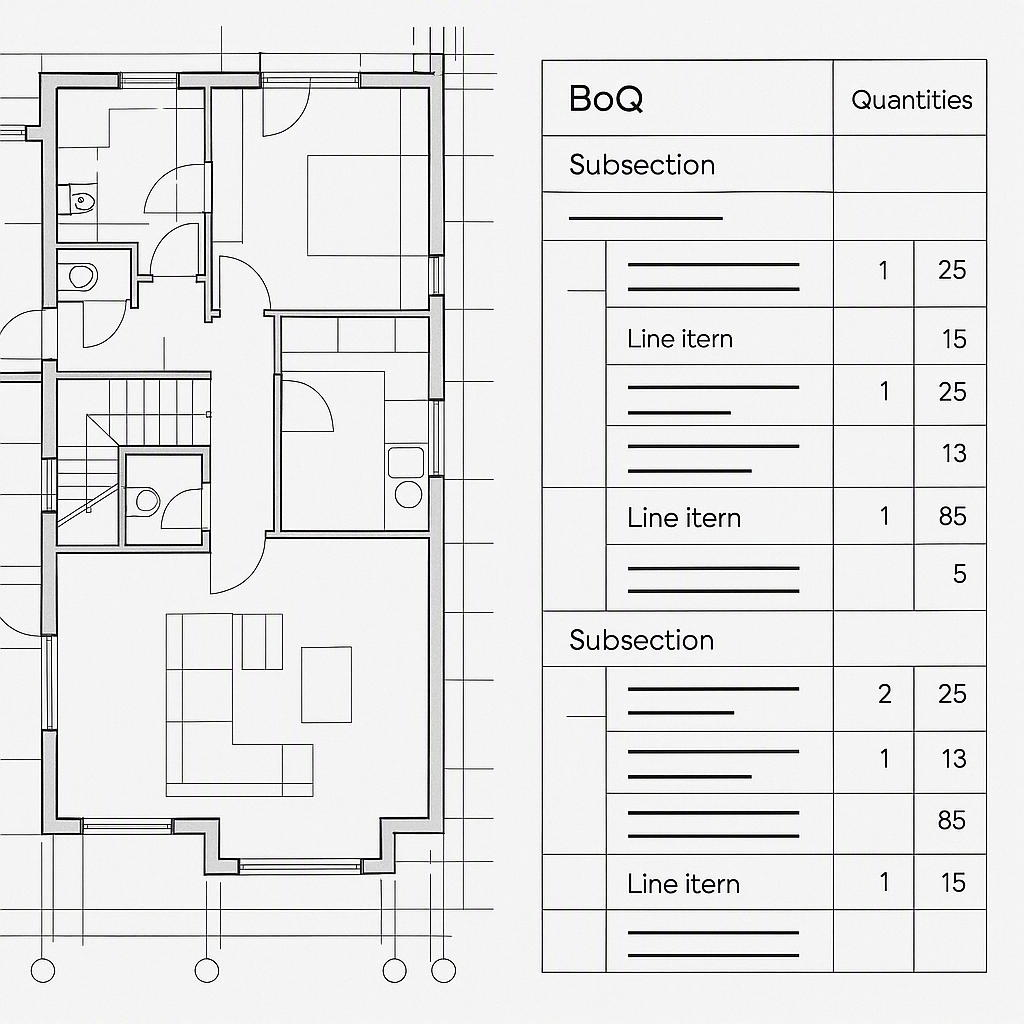
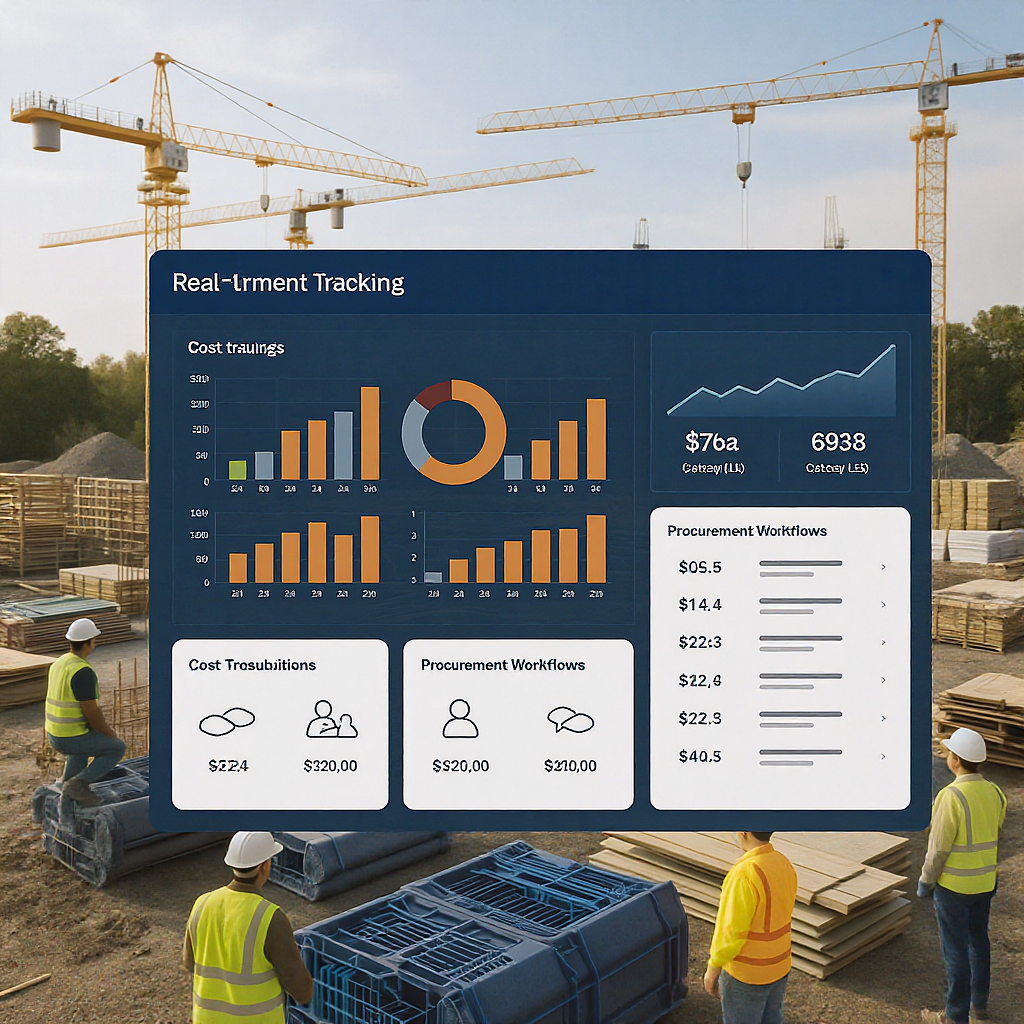
ERP software solves this with real-time cost tracking. In JobNext, for example, every MR, RFQ, and PO is linked to the project BOQ (Bill of Quantities). This means you can see, at any moment, how much of your material budget has been committed, spent, or saved across all your projects. No surprises.
The Contractor's First ERP: What Nobody Tells You About Going Digital explains this in detail. The key takeaway? Visibility is power. When your teams are in sync, and all data is in one place, you can make decisions based on facts—not assumptions.
Cutting Waste: From Site to Supplier
ERP systems also help you tackle wastage at both ends of the supply chain. On-site, integrated inventory management ensures you’re not overordering or letting materials sit unused for months. At the supplier level, the system tracks vendor performance—late deliveries, quality issues, or cost overruns. Over time, you can weed out underperforming vendors and negotiate better terms with reliable ones.
Some systems even integrate directly with suppliers. For example, JobNext provides real-time updates from vendors about stock availability, lead times, and pricing. This helps contractors avoid last-minute scrambling and costly delays.
Addressing the Skeptics
You might be thinking: “I already have a system for tracking costs—it’s called Excel.” Fair enough. But here’s the thing: as your business grows, Excel becomes a liability. Missing data, human errors, and lack of integration with other processes will cost you more than an ERP ever could.
Another concern we hear is: “What if my team can’t adapt to the system?” That’s valid. ERP adoption isn’t easy. But, as we outlined in ERP Implementation for Contractors: The Phased Approach That Actually Works, you don’t have to do it all at once. Start with procurement. Once your team sees the benefits, scaling up to other modules becomes much easier.
The Bottom Line
Controlling material costs isn’t just about saving money—it’s about survival. In an industry with razor-thin margins, every rupee counts. ERP software like JobNext gives contractors the tools to take control. From structured procurement workflows to real-time cost tracking, it’s not an expense—it’s an investment.
The real question isn’t whether you can afford an ERP. It’s whether you can afford not to have one.
Ready to see JobNext in action?
Multi-tenant SaaS ERP for construction, facilities management, and contracting — covering preconstruction, project execution, procurement, HR & payroll, equipment, finance, and 150+ analytics reports.
Get Started Free →Learn more at EstimateNext