Why Bulk Purchasing Matters for Contractors
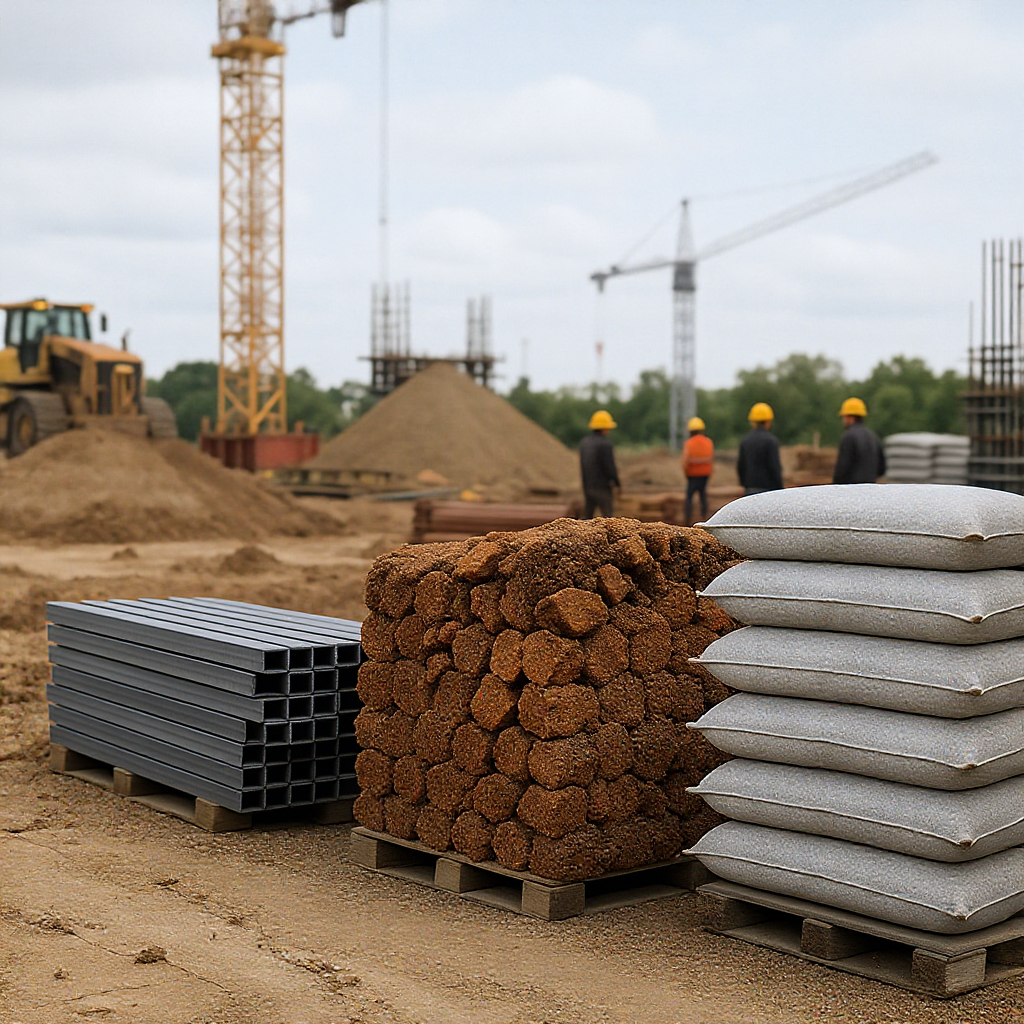
Material costs can eat up 40-60% of a project's budget. Small fluctuations in steel, cement, or HVAC components can turn a profitable job into a loss. Why? Because contractors often buy in fragmented, last-minute orders. It's inefficient, expensive, and chaotic.
Bulk purchasing flips the script. By consolidating orders, you negotiate better rates, reduce logistics costs, and improve supplier relationships. But here's the catch: it only works if you have a system to manage it. Chaos doesn't scale.
The Numbers Don't Lie
According to a Dodge Data & Analytics report, contractors who implement bulk purchasing strategies see material cost reductions of 10-15% on average. This isn't theoretical. A mid-size general contractor in Oman saved $150,000 on a single project by consolidating steel orders for five simultaneous sites. They negotiated a 12% discount with their supplier.
But bulk purchasing isn't just about discounts. It's about predictability. When you control procurement timelines, you avoid paying premium rates for urgent, small orders. And fewer deliveries mean less risk of delays or damaged goods.
The Problem: Manual Procurement Chaos
Many contractors still rely on paper-based systems or spreadsheets. A project manager raises a material request (MR). Procurement scrambles to find vendors. Quotes trickle in over email. POs are issued last minute. Sound familiar?
This chaos leads to:
- Missed bulk discounts because orders are fragmented.
- Vendor price gouging on urgent orders.
- Materials arriving late or incomplete.
Real Fix: Structured Procurement Workflows
You can't scale bulk purchasing with ad hoc processes. That's where platforms like JobNext come in. Here's how it works:
- Centralized Material Requests: Sites raise MRs digitally. The requests flow into a central dashboard.
- Vendor Comparison at Scale: RFQs go to multiple pre-approved vendors. Quotes come back in a standardized format — no messy emails.
- Bulk Order Consolidation: The system identifies opportunities to combine similar orders across sites.
- Approval Chains: POs are routed for approval based on value thresholds. No more WhatsApp approvals.
This structured approach isn't just theory. Al Nab'a Services, a facilities management giant, implemented a similar workflow. They cut procurement lead times by 30%. That meant fewer delays and tighter control over costs.
Objection: "What About Supplier Relationships?"
You might think bulk purchasing hurts smaller vendors. It doesn't have to. By consolidating orders, you're offering suppliers predictable, larger contracts. Most vendors prefer this over sporadic, small orders.
In India, one MEP contractor we worked with renegotiated terms with their top three vendors. They offered guaranteed monthly orders in exchange for 8-10% discounts. Everyone won.
The Bigger Picture: Unified Systems
Bulk purchasing is just one piece of the puzzle. To really control project costs, you need visibility across tendering, procurement, and billing. This is why platforms like JobNext focus on integration.
A unified ERP helps you:
- Track BOQ consumption in real time.
- Flag material overruns before they spiral.
- Align procurement with project scopes.
As we discussed in The Hidden Cost of Tool Fragmentation, disconnected systems are a silent profit killer. Bulk purchasing works best when it's part of an integrated process.
Actionable Steps
- Audit Your Procurement Process: How many vendors are you using? How often are you paying premium rates for urgent orders?
- Standardize Requests: Use a digital tool to centralize MRs.
- Negotiate Bulk Discounts: Identify high-volume materials and consolidate orders.
- Invest in a Unified Platform: If you're managing projects on spreadsheets, it's time to upgrade.
Bulk purchasing isn't complicated. But it requires discipline and the right tools. Contractors who get it right don't just save money; they build more predictable, scalable operations.
Want to know more about structuring procurement workflows? Check out our primary site for expert insights.
Ready to see JobNext in action?
Multi-tenant SaaS ERP for construction, facilities management, and contracting — covering preconstruction, project execution, procurement, HR & payroll, equipment, finance, and 150+ analytics reports.
Get Started Free →Learn more at EstimateNext