Why Rate Analysis Matters More Than Ever
Civil works margins are razor-thin, and rate analysis is the difference between profit and disaster. If your rates are outdated or based on guesswork, you're bleeding money — guaranteed. Inaccurate rates lead to underpriced bids, inflated costs, and frustrated clients. And it’s not just small errors. A bad rate analysis can sink entire projects.
The Brutal Math
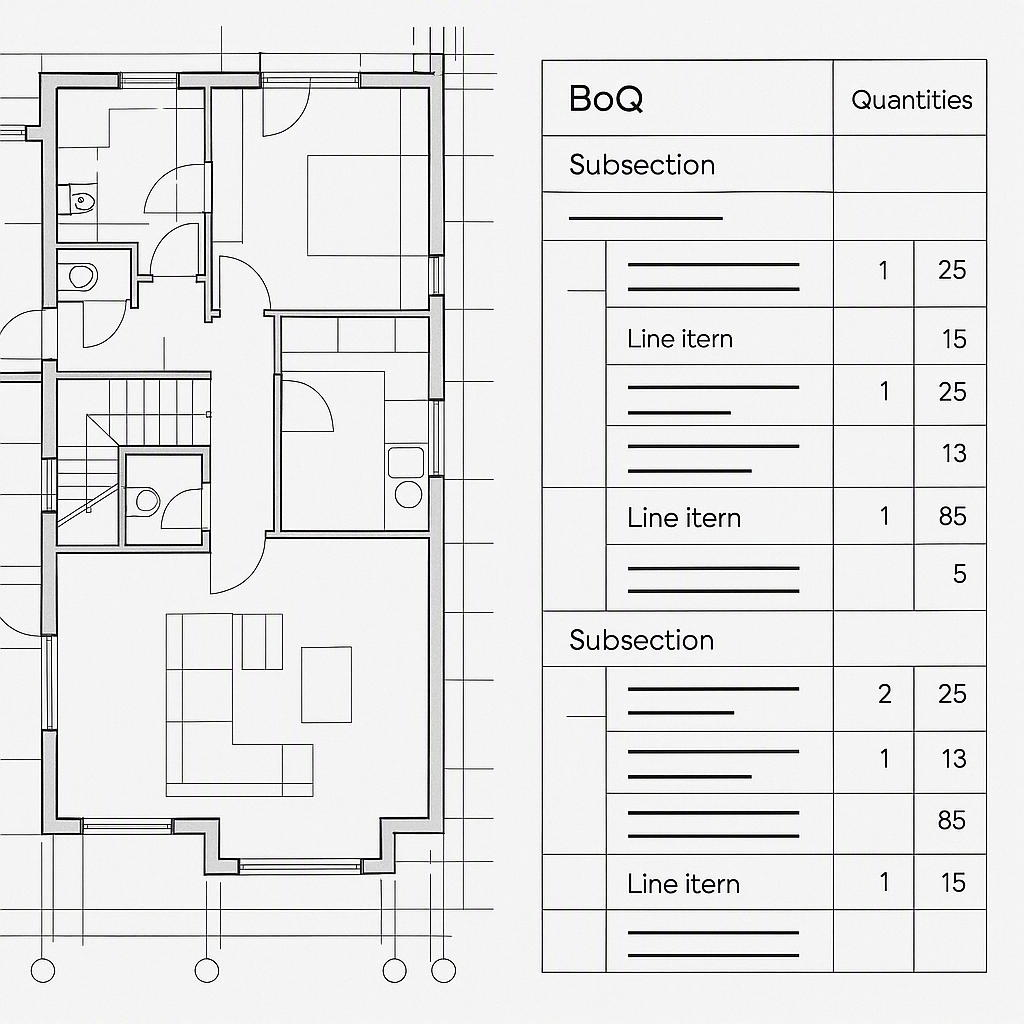
Imagine you're pricing a BOQ (Bill of Quantities) for 10,000 cubic meters of concrete. Your scheduled rate per cubic meter is ₹5,000, but market rates have jumped to ₹5,800. That 16% difference ends up costing you ₹8,000,000 in unaccounted costs. Think this doesn’t happen? A report on contractor bid failures found that 78% of BOQ errors come from rate mismatches.
Another example: A road construction contractor in Maharashtra underestimated the cost of bitumen by 25% due to outdated rates. The price hike during execution wiped out 60% of their expected profit margin. These are not isolated incidents — they’re the norm when rate analysis is neglected.
The Anatomy of Accurate Rate Analysis
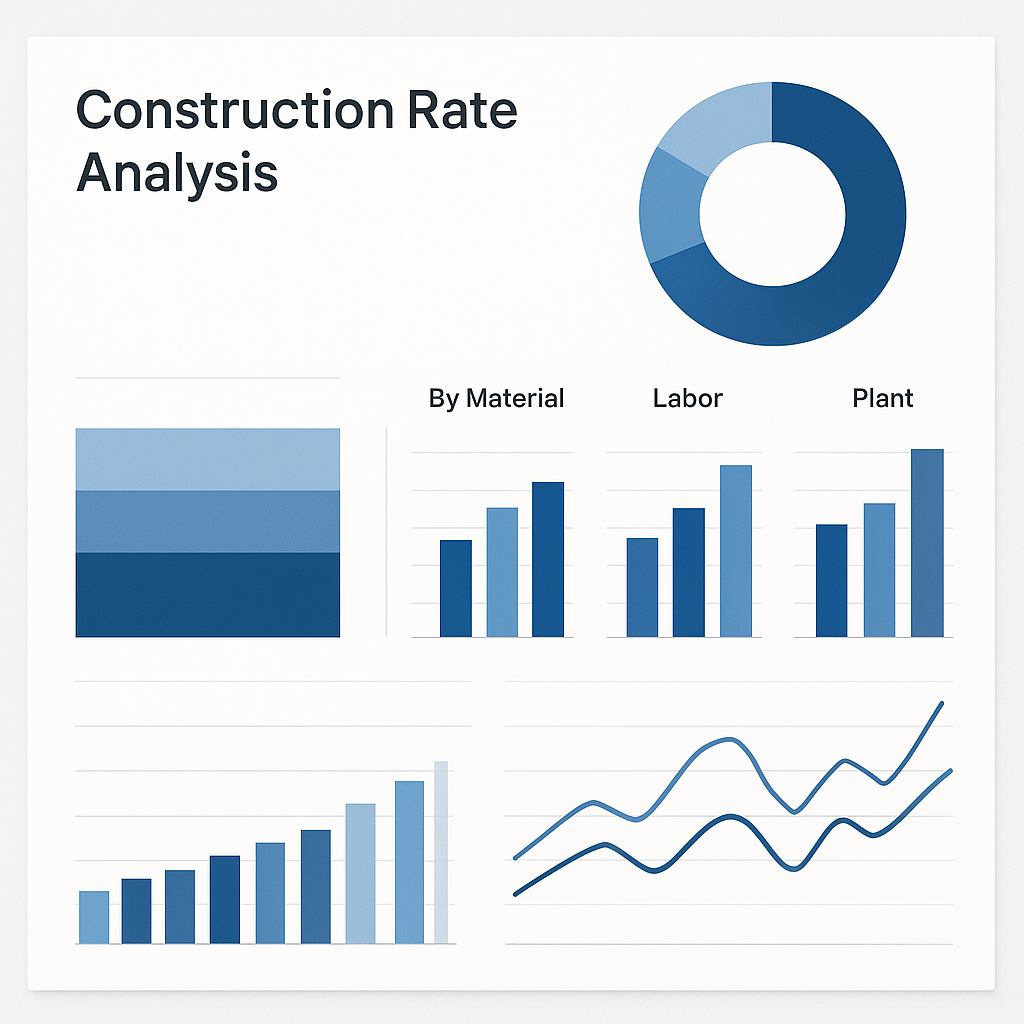
Rate analysis isn’t just plugging numbers into a spreadsheet. Done correctly, it breaks down costs into three main components:
| Component | Breakdown Example |
|---|---|
| Materials | Cement, sand, aggregates, rebar |
| Labour | Masons, carpenters, helpers |
| Plant | Excavators, transit mixers, scaffolding |
Each component needs precise inputs:
1. Material Costs
Raw material costs are notoriously volatile, driven by factors like fuel prices, import duties, and demand-supply imbalances. For instance:
- Cement prices can vary by ₹50-₹100 per 50kg bag based on location.
- Steel rebar rates fluctuate by 10-20% within months due to global commodity trends.
Actionable Step: Create a vendor database for real-time price updates. Use tools like JobNext or simple Excel trackers to monitor regional price trends and apply wastage factors.
2. Labour Costs
Labor forms a significant portion of costs, especially in labor-intensive projects like brickwork or plastering. Key factors include:
- Daily Wages: Varying by region and skill level (e.g., ₹600/day for unskilled labor in Tier 2 cities, ₹1,200/day for skilled carpenters in metro areas).
- Allowances: Meals, transport, and overtime.
- Productivity Rates: How much work is completed per day per worker.
Example: If a mason can lay 10 square meters of brickwork per day, but delays drop productivity to 8 square meters, your cost per unit jumps by 25%.
Actionable Step: Use historical project data to set realistic productivity rates. Incorporate weather risks, local conditions, and site-specific inefficiencies.
3. Plant Costs
Plant and machinery costs include:
- Fuel Consumption: Diesel costs for excavators, cranes, and mixers.
- Maintenance and Repairs: Regular upkeep to avoid breakdowns.
- Depreciation: Allocate long-term costs across projects.
Example: A transit mixer running 8 hours a day consumes ₹5,000 worth of diesel. Ignoring such costs creates a cumulative hole in your budget.
Actionable Step: Maintain a detailed log of plant operating hours and fuel usage. Link this data to rate analysis tools that calculate per-unit equipment costs.
Common Rate Analysis Mistakes (And Fixes)
1. Outdated Scheduled Rates
Most contractors fail to update their scheduled rates regularly. The result? Their estimates are tied to last year’s prices, not today’s market reality.
Example: A contractor in Delhi lost ₹3 crores on a government project because their steel rates were outdated by three months, during which prices rose by 15%.
Fix: Tools like JobNext let you maintain a central library of scheduled rates tied to specific WBS (Work Breakdown Structure) activities. The system automatically adjusts rates based on the latest material and labor costs, ensuring your estimates stay accurate.
2. Ignoring Component Breakdowns
Many contractors just slap a lump-sum rate onto a BOQ without analyzing the underlying materials, labor, and plant costs. This shortcut guarantees errors.
Example: A lump-sum rate of ₹1,500/square meter for plastering might look fine until you break it down and realize labor costs alone eat up ₹1,200, leaving no margin for materials or profits.
Fix: Detailed rate analysis breaks down scheduled rates into individual cost components, providing transparency and defensibility for every price. JobNext offers this functionality, giving contractors a clear breakdown for each activity.
3. Guessing Productivity Rates
Estimating labor productivity without data is asking for trouble. A mason laying 10 square meters of brickwork per day might sound reasonable — until you realize local conditions or material delays drop that to 8.
Fix: JobNext allows you to input realistic productivity rates by cadre and activity so you avoid overestimating labor efficiency.
The Role of Digital Rate Schedules
Digital tools like JobNext don’t just speed up rate analysis — they eliminate the guesswork entirely. Here’s how:
| Feature | Benefit |
|---|---|
| Centralized Updates | Modify rates once, and they update across all estimates and quotes. |
| Component Transparency | Materials, labor, and plant costs broken down visibly. |
| Real-Time Variance Analysis | Compare quoted, scheduled, and actual rates to spot errors early. |
Case Study: A mid-size contractor in Gujarat was losing margins on a ₹50-cr residential project. Their BOQ used outdated concrete rates from six months ago, underpricing by ₹300/m³. By switching to automated scheduled rates, they flagged the discrepancy during preconstruction and adjusted bids, saving ₹12 million in hidden costs. The tool used? JobNext’s Rate Schedules module.
How to Start Fixing Rate Analysis Today
- Audit Your Current Rates: Cross-check against current market prices.
- Break Down Each Component: Material, labor, plant — no shortcuts.
- Automate Updates: Use a digital tool to centralize rate schedules.
- Track Variances: Monitor BOQ rates during project execution to catch overruns early.
- Train Your Team: Ensure site engineers and estimators understand how to perform accurate rate analysis.
FAQ
What is rate analysis in civil works?
Rate analysis breaks down the cost of performing a scope activity into materials, labor, and plant components. It ensures BOQs reflect accurate pricing.
How often should I update scheduled rates?
At least quarterly, or whenever major market fluctuations occur. Outdated rates are a guaranteed margin killer.
Can digital tools really fix rate analysis?
Yes. Platforms like JobNext automate rate calculations, centralize updates, and eliminate human error. They also provide transparency for client negotiations.
What’s the best way to track material price changes?
Maintain a vendor database and subscribe to industry reports. Digital tools like JobNext can automate price tracking and integrate updates into your BOQs.
How do I calculate productivity rates?
Use historical project data and adjust for real-world conditions like weather, site access, and labor availability. Avoid generic assumptions.
Call to Action
Struggling with outdated rates or guesswork in your BOQs? JobNext can help you automate rate analysis, protect margins, and track variances. Get started free →
Learn more at EstimateNext